 নং 308, গংক্সিন রোড, ইন্ডাস্ট্রিয়াল পার্ক, ডংজিং টাউন, জিংজিয়াং সিটি, জিয়াংসু প্রদেশ, চীন
 [email protected]/ [email protected]
 নং 308, গংক্সিন রোড, ইন্ডাস্ট্রিয়াল পার্ক, ডংজিং টাউন, জিংজিয়াং সিটি, জিয়াংসু প্রদেশ, চীন[email protected]/ [email protected]
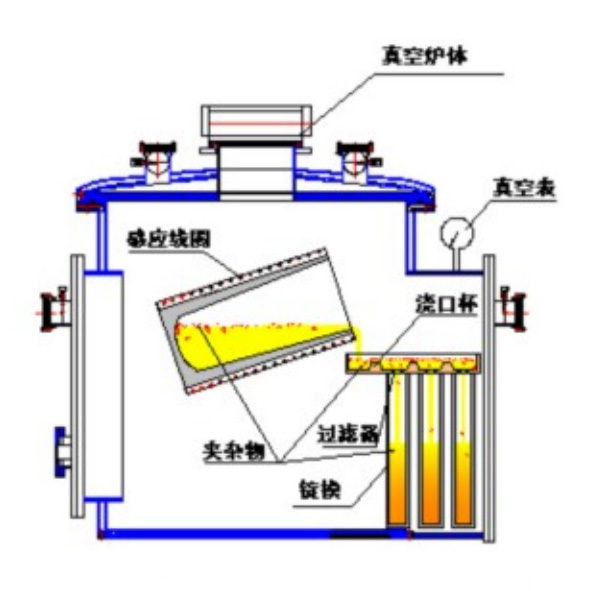
Schematic Diagram of Traditional Mold Casting Process for High-Temperature Master Alloys
High-temperature alloys, also known as "superalloys," are a class of metallic materials based on iron, nickel, or cobalt. They are capable of long-term service at temperatures above 600°C under applied stress. These alloys offer a combination of exceptional properties, including high-temperature strength, excellent oxidation and hot corrosion resistance, good fatigue performance, and fracture toughness.
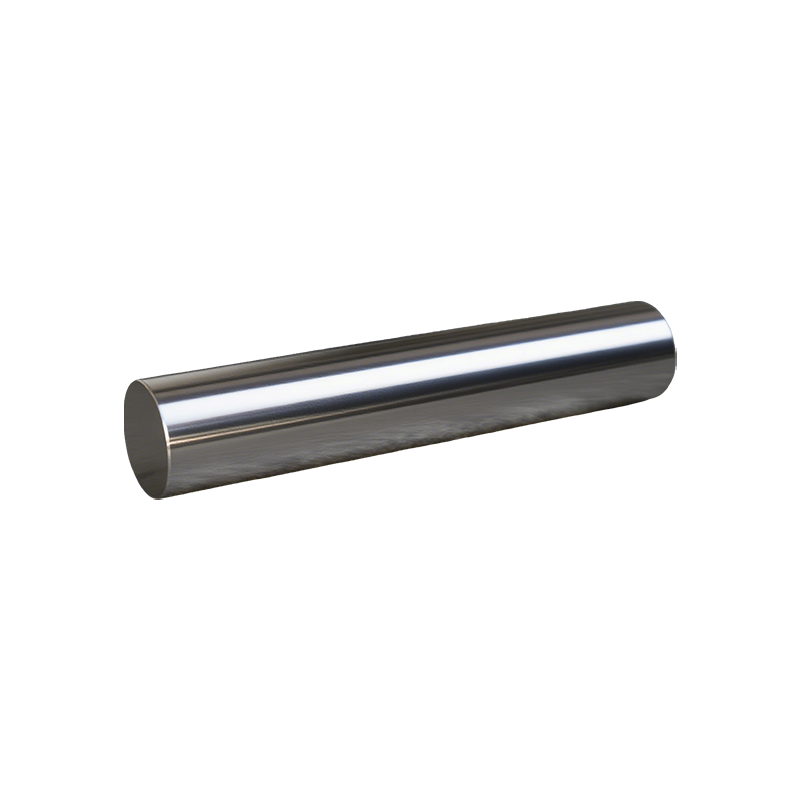
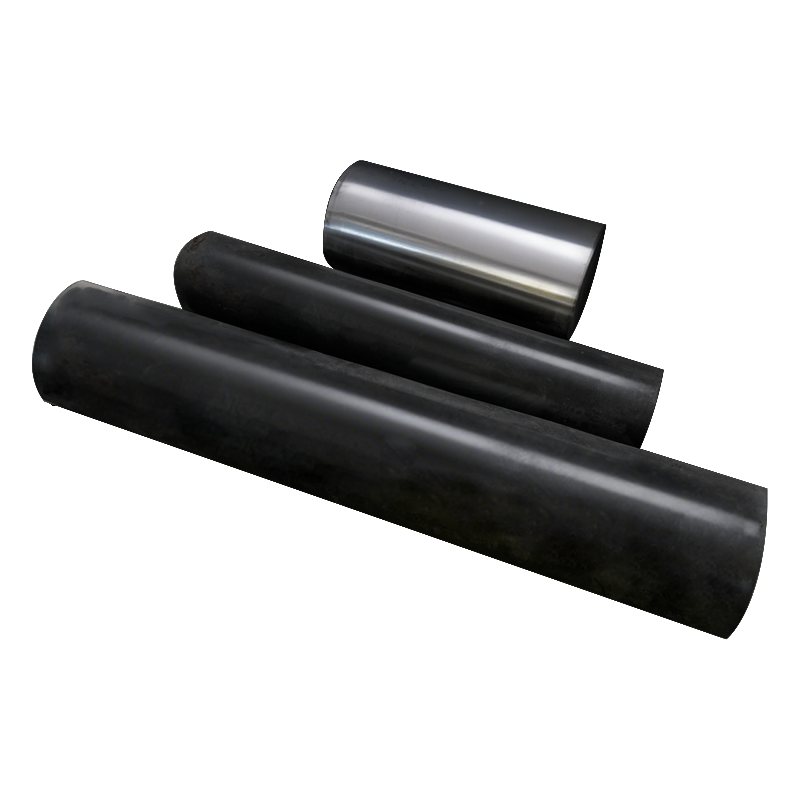
A "master alloy" refers to the refined material (typically supplied in bar form) used as feedstock for remelting and casting. Its chemical composition is precisely controlled according to customer specifications.
Currently, the vacuum induction melting (VIM) followed by metal mold casting process is widely used for producing high-temperature alloy master alloys, as illustrated in the diagram. In this conventional casting process, the refined molten metal is poured through a launder and finally into a metal mold, where it solidifies into the desired shape. This manufacturing method enables the production of high-temperature alloy master alloys with precise chemical composition. Through techniques such as controlled melting parameters, ceramic filtration, and optimized mold design, ingots with excellent metallurgical quality and superior performance can be achieved.
High-temperature alloy master alloys exhibit excellent high-temperature strength and creep resistance. Taking K418 superalloy master alloy as an example, after precise composition control and clean melting practices, its chemical composition must meet the requirements specified in Table 1 (in accordance with GB/T14992, GJB5512.1, and HB7763). Furthermore, after the master alloy is remelted and investment cast into test bars, the mechanical properties must satisfy the requirements listed in Table 2.
| উপাদান | C | মো | ক্র | আল | Zr | তি | B | ||||||||||
| বিষয়বস্তু (%) | ০.০৮~০.১৬ | 3.80~4.80 | 11.50~13.50 | 5.50~6.40 | ০.০৬০~০.১৫০ | 0.50~1.00 | ০.০০৮~০.০২০ | ||||||||||
| উপাদান | এনবি | ফে | Mn | সি | S | P | O | ||||||||||
| বিষয়বস্তু (%) | 1.80~2.50 | ≤1.00 | ≤0.50 | ≤0.50 | ≤0.010 | ≤0.015 | ≤15ppm | ||||||||||
| উপাদান | N | পবি | এসবি | হিসাবে | Sn | দ্বি | নি | ||||||||||
| বিষয়বস্তু (%) | ≤35ppm | ≤0.0005 | ≤0.001 | ≤0.001 | ≤0.001 | ≤0.00005 | বাল. | ||||||||||
| স্ট্যান্ডার্ড নম্বর | বৈচিত্র্য | স্যাম্পলিং | প্রসার্য বৈশিষ্ট্য | স্থায়িত্ব কর্মক্ষমতা | ||||||||||||
| θ/℃ | σ b/MPa | σ po.2/MPa | δ5/ | ψ/% | θ/℃ | σ/MPa | টি/ঘণ্টা | δs/ | ||||||||
| ≥ | ≥ | |||||||||||||||
| GJB5515.1① | মাস্টার খাদ | যথা-কাস্ট অবস্থায় যথার্থ-কাস্ট পরীক্ষা বার | 20 | 755 | 686 | 3.0 | 一 | 750 | 608 | 40 | 3.0 | |||||
| 800 | 755 | 一 | 4.0 | 6.0 | 800 | 490 | 45 | 3.0 | ||||||||
| HB7763② | মাস্টার খাদ | যথা-কাস্ট অবস্থায় যথার্থ-কাস্ট পরীক্ষা বার | 20 | 755 | 686 | 3.0 | - | 750 | 608 | 40 | 3.0 | |||||
| 800 | 755 | 一 | 4.0 | 6.0 | 800 | 490 | 45 | 3.0 | ||||||||
| ① স্ট্রেচিং এবং সহনশীলতা এক তাপমাত্রায় পরীক্ষা করা যেতে পারে। যদি সহনশীলতা কর্মক্ষমতা যোগ্য না হয়, তবে এটি 800 ℃, 471MPa এ পুনরায় পরীক্ষা করা যেতে পারে এবং 80 ঘন্টার কম নয় একটি ফ্র্যাকচার সময়। প্রতি 10টি চুল্লি একটি দীর্ঘমেয়াদী প্রসার্য পরীক্ষার জন্য নির্বাচন করা উচিত এবং ফ্র্যাকচারের পরে δ 5 এবং ψ মানগুলি প্রত্যাখ্যানের ভিত্তি হিসাবে ব্যবহার করা উচিত নয়। ②টেনসিল এবং স্ট্রেস ফাটল পরীক্ষা একটি একক নির্বাচিত তাপমাত্রায় পরিচালিত হতে পারে। উত্পাদিত প্রতি 10টি তাপের জন্য, একটি তাপ ফ্র্যাকচার না হওয়া পর্যন্ত স্ট্রেস ফাটল পরীক্ষার শিকার হবে, শতাংশ প্রসারণ (δ5) এবং ক্ষেত্রফলের শতাংশ হ্রাস (ψ) এর জন্য প্রকৃত পরিমাপ নেওয়া হবে। | ||||||||||||||||
আপনি যদি আমাদের পণ্য সম্পর্কে আরো জানতে চান, আমাদের সাথে যোগাযোগ করুন নির্দ্বিধায়. আমরা আপনার প্রয়োজনীয় সহায়তা প্রদানের জন্য নিবেদিত।
আমরা যত তাড়াতাড়ি সম্ভব আপনাকে উত্তর দেব।
 Exporter উচ্চ-তাপমাত্রা খাদ রড Factory